January 2026
Global Economy Faces Uncertainty as World Markets React
Global financial markets experienced heightened volatility today as investors reacted to renewed uncertainty surrounding the global economy. Concerns over inflation, interest rate policies, and geopolitical risks have contributed to cautious trading behavior across major stock exchanges worldwide. Markets in Asia opened mixed, reflecting investor hesitation amid unclear economic signals. European indices followed with modest fluctuations, while U.S. markets showed signs of volatility as traders assessed economic data and policy outlooks. Analysts suggest that uncertainty around monetary policy decisions continues to weigh heavily on market sentiment. Inflation remains a central concern for economies worldwide, affecting consumer spending and business investment. Central banks face the difficult task of balancing inflation control with economic growth, as aggressive tightening could slow recovery while delayed action risks prolonged price pressures. Key Market Reactions Today Why This Matters The global economy uncertainty is deeply interconnected, meaning economic shifts in one region can quickly influence markets elsewhere. Prolonged uncertainty can reduce investment, slow job creation, and impact international trade. Financial experts emphasize that stability depends on coordinated policy efforts and transparent economic planning. Emerging markets are particularly vulnerable, as currency fluctuations and capital outflows may increase economic strain. Meanwhile, developed economies must navigate slowing growth while maintaining financial stability. Outlook Market analysts advise investors to remain alert as economic indicators continue to evolve. While uncertainty persists, many believe that clear policy signals and easing geopolitical tensions could help restore confidence in global markets over time.
Middle East Tensions Escalate as Global Leaders Call for Ceasefire
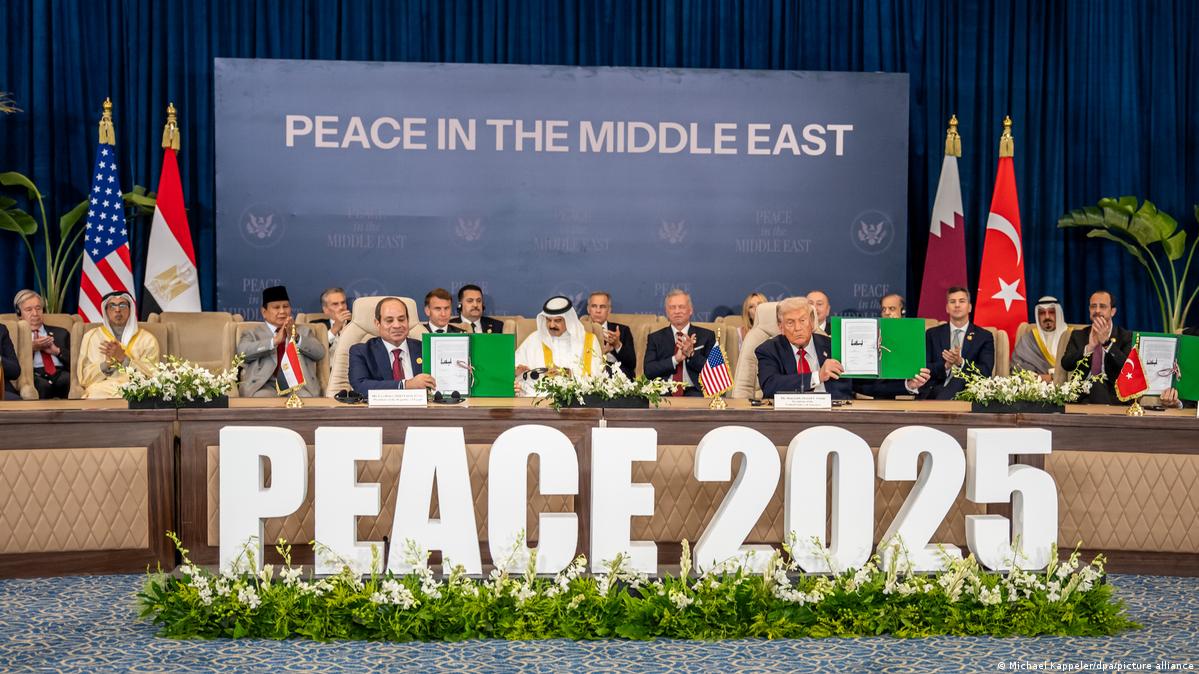
Tensions across the Middle East have intensified in recent days, prompting urgent calls from global leaders for an immediate ceasefire to prevent further escalation and humanitarian consequences. The rapidly evolving situation has raised international alarm as violence threatens to destabilize an already fragile region with far-reaching global implications. Diplomatic efforts are underway as world leaders, international organizations, and regional powers attempt to de-escalate the conflict through dialogue and mediation. Statements from major global capitals emphasize the need to protect civilians, uphold international law, and restore stability through political solutions rather than prolonged confrontation. The ongoing Middle East tensions have disrupted daily life across affected areas, with reports of infrastructure damage, displacement of civilians, and growing humanitarian needs. Aid organizations have warned that without swift intervention, access to food, healthcare, and essential services could deteriorate further, worsening conditions for vulnerable populations. Why This Matters Globally The Middle East plays a critical role in global energy supply, trade routes, and geopolitical balance. Any prolonged instability has the potential to affect oil prices, international markets, and diplomatic relations worldwide. Analysts caution that escalation could draw in neighboring countries or global powers, increasing the risk of a broader regional conflict. International institutions continue to urge restraint, highlighting that long-term peace depends on addressing underlying political and security concerns. Negotiations remain complex, with deep-rooted disputes and competing interests shaping the situation. What Happens Next Diplomatic channels remain active as ceasefire proposals are discussed. Observers note that the coming days will be crucial in determining whether negotiations succeed or tensions continue to rise. The global community is watching closely, as the outcome will influence not only regional stability but also international security dynamics.
US Leaves WHO: Global Health Impact
In a major shift in global health policy, the United States officially completed its withdrawal from the World Health Organization (WHO) in January 2026. Ending nearly 80 years of membership that had shaped international health cooperation. Background and Rationale US Leaves WHOt was initiated by the U.S. administration under President Donald Trump. Citing dissatisfaction with the organization’s handling of past pandemics and calls for reforms in global health governance. While critics warn that this move undermines vital cooperation mechanisms, proponents argue it rebalances national priorities. Global Response and Implications The WHO has traditionally coordinated global responses to infectious diseases, vaccine distribution, and health emergencies. The U.S. departure raises concerns among global health experts. Who argue that reduced collaboration and funding could weaken the world’s ability to detect and respond to emerging outbreaks. Without direct U.S. involvement in WHO governance structures, many health officials worry that access to early warning systems—especially for diseases such as influenza, Ebola, and mpox—may be compromised. Furthermore, reductions in technical support and financial contributions are likely to create gaps in health initiatives aimed at vulnerable regions.
Australia Heatwave Fueled by Climate Change
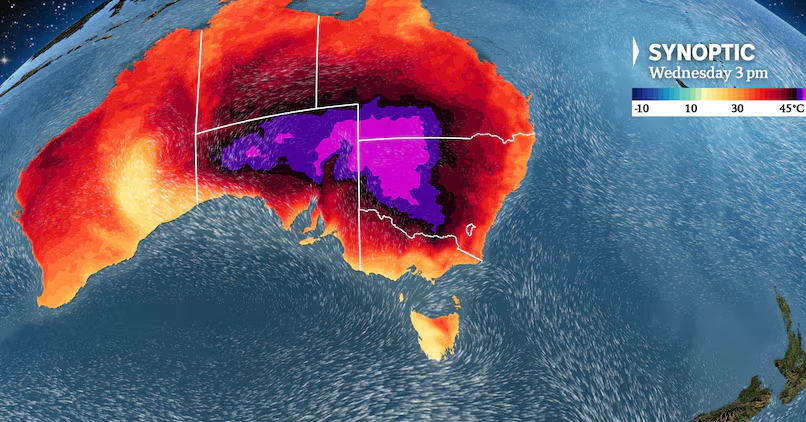
An analysis by the World Weather Attribution (WWA) project revealed that the severe heatwave gripping Australia in early January 2026—the worst since the 2019–20 Black Summer fires—was made five times more likely by human-caused global heating. Temperatures soared above 40°C in major urban centers including Melbourne and Sydney during the event, exceptionally high even for summer, and were accompanied by intense bushfire activity and widespread infrastructure stress. The study’s authors connected this surge to long-term climate change trends, emphasizing the exponentiating risk of extreme heat events under ongoing global warming. Climate Science and Extreme Weather According to climate scientists, even a modest increase in average global temperatures can dramatically raise the chances of extreme heatwaves. In this case, evidence suggests that human influence elevated the probability by a factor of five, making such conditions far more likely than in a pre-industrial climate era. The heatwave’s impact extended beyond high temperatures. In many regions, extreme heat stressed electrical grids, increased health risks—especially for vulnerable populations—and contributed to prolonged and intensified bushfires that burned hundreds of thousands of hectares and damaged homes and ecosystems. Wider Global Context Climate scientists warn that such events are not isolated. Recent global climate data indicates that years like 2025 rank among the hottest on record, with the past decade hosting the hottest years ever documented. These trends are largely attributed to elevated concentrations of greenhouse gases from human activity.
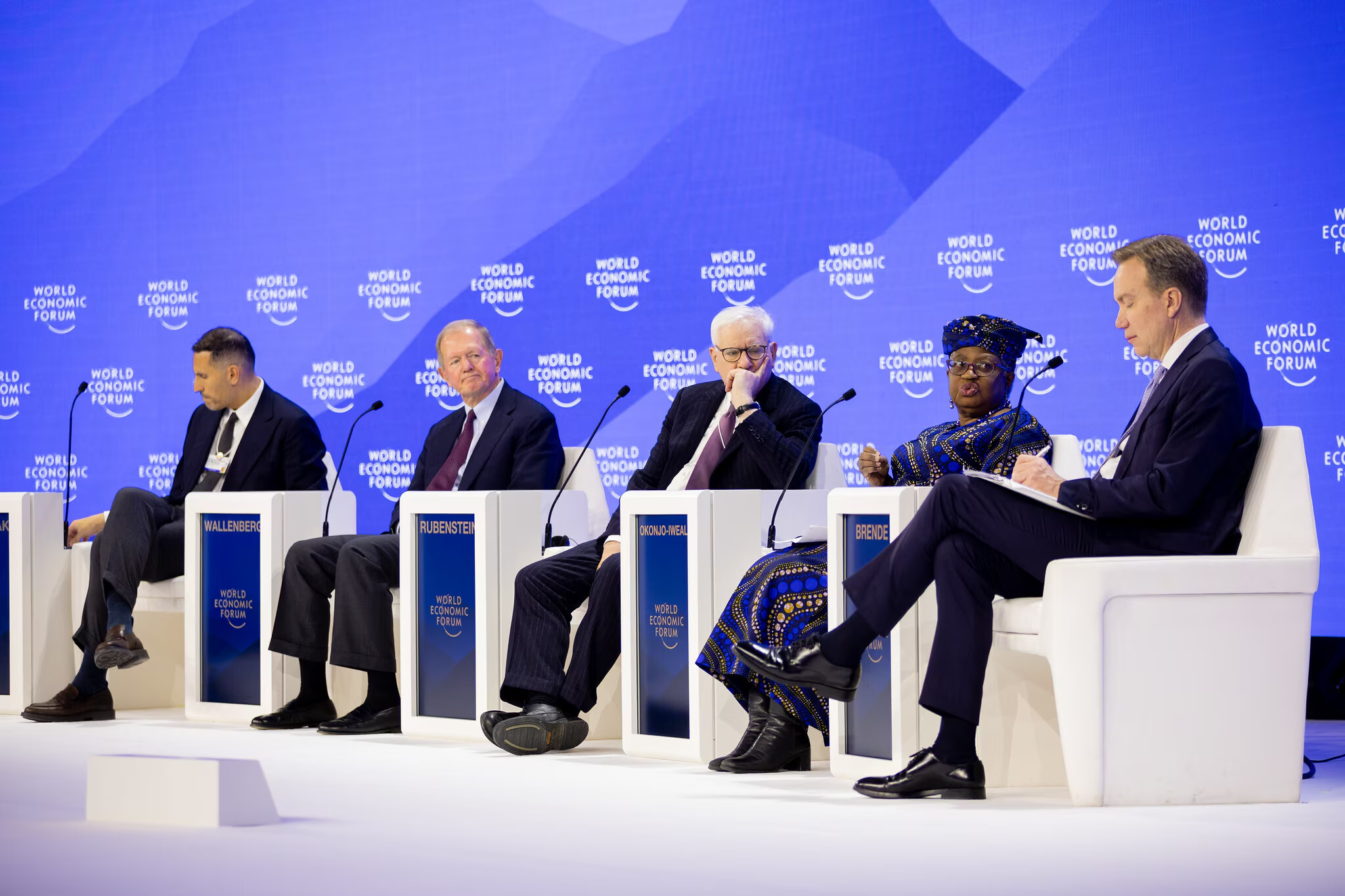
World Economic Forum 2026 Key Outcomes
The 56th annual World Economic Forum (WEF) meeting held in Davos, Switzerland brought together policymakers, business leaders, and global institution heads to address pressing economic, geopolitical, and technological challenges shaping 2026. This year’s forum was held against a backdrop of rising geopolitical tensions, rapid technological change, and persistent global economic fragility. Discussions focused on global growth prospects, geopolitical instability, climate change, and the future of jobs in an increasingly automated world. Economic Resilience and Global Cooperation One of the central themes of the Davos 2026 meeting was the global economy’s resilience following a turbulent 2025. Leaders including heads of the International Monetary Fund (IMF), the World Bank, and the World Trade Organization (WTO) emphasized that while modest economic growth persists, risks from high national debt, uneven recovery trends, and geopolitical divisions continue to challenge global cooperation. IMF Managing Director Kristalina Georgieva warned that advancements in artificial intelligence (AI) were rapidly transforming labor markets, with significant implications for employment and workforce skills. She described an approaching “AI tsunami” poised to shift millions of jobs globally unless governments and businesses prepare effectively. Geopolitical Tensions and Power Dynamics The forum also highlighted the evolving nature of global security and power balance. German Chancellor Friedrich Merz expressed concerns about a shifting world order, citing tensions between major powers and increased competition for political influence and economic advantage. Economic policy disputes—including tariffs and digital trade restrictions—have increasingly become tools of geopolitical influence. A World Economic Forum survey found “geoeconomic confrontation” ranked as a top global risk in 2026, replacing traditional armed conflict for the first time in recent years. Climate and Technological Imperatives Climate policy and the role of energy transition also dominated discussions. Although environmental concerns dropped slightly in short-term risk rankings, leaders acknowledged the long-term importance of sustainable development and decarbonization strategies. Technology leaders participating in the forum echoed the need for clear frameworks to regulate AI development, safeguard data, and harness digital innovation for inclusive growth. These cross-cutting issues remain central to geopolitical and economic strategies worldwide. Outlook for the World Economy In closing, global decision-makers reiterated the need for multilateral cooperation—particularly in trade, climate finance, technology governance, and health systems—despite rising geopolitical fractures. The Davos 2026 summit underscored a common sentiment: while economic structures have shown resilience, a fragile and interconnected world requires unprecedented collaboration to meet future challenges.