Climate & Environment
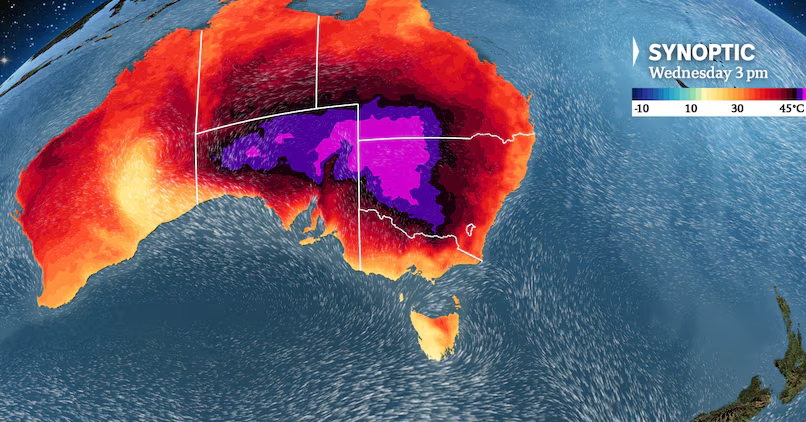
Australia Heatwave Fueled by Climate Change
An analysis by the World Weather Attribution (WWA) project revealed that the severe heatwave gripping Australia in early January 2026—the worst since the 2019–20 Black Summer fires—was made five times more likely by human-caused global heating. Temperatures soared above 40°C in major urban centers including Melbourne and Sydney during the event, exceptionally high even for summer, and were accompanied by intense bushfire activity and widespread infrastructure stress. The study’s authors connected this surge to long-term climate change trends, emphasizing the exponentiating risk of extreme heat events under ongoing global warming. Climate Science and Extreme Weather According to climate scientists, even a modest increase in average global temperatures can dramatically raise the chances of extreme heatwaves. In this case, evidence suggests that human influence elevated the probability by a factor of five, making such conditions far more likely than in a pre-industrial climate era. The heatwave’s impact extended beyond high temperatures. In many regions, extreme heat stressed electrical grids, increased health risks—especially for vulnerable populations—and contributed to prolonged and intensified bushfires that burned hundreds of thousands of hectares and damaged homes and ecosystems. Wider Global Context Climate scientists warn that such events are not isolated. Recent global climate data indicates that years like 2025 rank among the hottest on record, with the past decade hosting the hottest years ever documented. These trends are largely attributed to elevated concentrations of greenhouse gases from human activity.