Global Economy
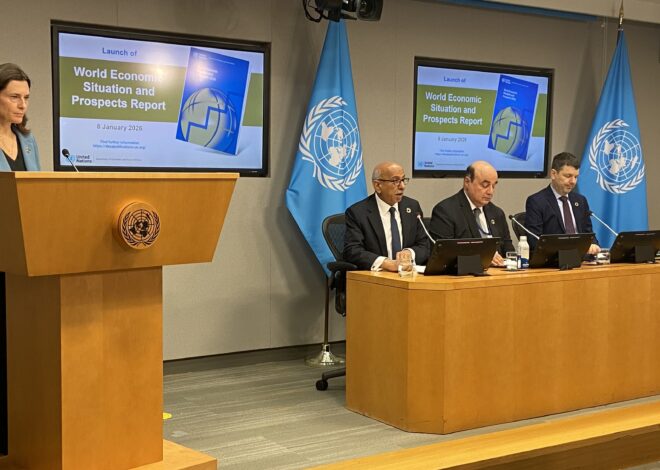
Global Economy Shows Signs of Stabilization in 2026
After several years of uncertainty, the global economy in 2026 is showing early signs of stabilization, according to international financial institutions. Inflation rates are gradually declining in major economies, while supply chains continue to recover from previous disruptions. Central banks across the United States, Europe, and Asia have adopted cautious monetary policies aimed at controlling inflation without triggering economic slowdown. This balanced approach has helped restore investor confidence and reduce market volatility. Emerging markets are also benefiting from improved trade flows and increased foreign investment. Countries that focused on digital transformation and infrastructure development during earlier downturns are now seeing measurable economic gains. Consumer sentiment is slowly improving as employment levels stabilize and wage growth becomes more predictable. Economists note that while challenges remain — including debt levels and geopolitical uncertainty — the overall outlook is more optimistic than in previous years. International trade has played a crucial role in the recovery. Reduced shipping costs and improved logistics have strengthened global commerce, especially in technology, renewable energy, and manufacturing sectors. Experts caution that sustained recovery depends on continued cooperation between governments and financial institutions. Structural reforms, digital innovation, and climate-conscious investments are considered essential for long-term stability. As 2026 unfolds, the global economy appears to be moving away from crisis mode toward cautious growth, offering renewed hope for businesses, investors, and consumers worldwide.

US Government Shutdown Nears End as Major Trade Deal With India Boosts Global Markets
Lawmakers Push to End US Government Shutdown The United States government shutdown appears close to ending as lawmakers advance emergency funding legislation aimed at reopening federal agencies. The shutdown, which disrupted several government departments, affected public services, delayed administrative processes, and raised concerns among businesses and citizens. Congressional leaders confirmed that negotiations intensified to reach a short-term funding agreement while longer-term budget discussions continue. Political analysts suggest that mounting public pressure and economic risks played a key role in accelerating talks between both parties. White House Announces Historic Trade Deal With India Amid domestic budget negotiations, the White House announced a landmark trade agreement between the United States and India. The deal focuses on reducing tariffs, expanding trade in technology and energy sectors, and strengthening supply chains between the two nations. Officials described the agreement as a strategic move to deepen economic cooperation with one of the world’s fastest-growing economies. The US India trade deal is expected to boost exports, encourage investment, and create new opportunities for businesses on both sides. Economic Impact and Market Reaction Global markets reacted positively to the trade announcement, with investors viewing the agreement as a sign of renewed economic stability. Analysts believe the deal could help offset economic uncertainty caused by the shutdown by improving trade confidence and long-term growth prospects. Experts also noted that stronger US-India relations could reshape global trade dynamics, especially amid shifting international alliances and supply chain restructuring. Political Reactions in Washington While supporters praised the trade deal as a diplomatic and economic success, critics raised concerns about unresolved domestic funding challenges. Some lawmakers argued that addressing internal governance issues should remain the top priority. Despite differing opinions, there is growing bipartisan support to reopen the government and prevent further disruption to federal workers and essential services. What This Means for the US Economy The combination of progress toward ending the government shutdown and the announcement of a major trade deal with India signals a potential turning point for the US economy. If implemented smoothly, these developments could stabilize markets, restore confidence, and support growth in 2026.
Global Economy Faces Uncertainty as World Markets React
Global financial markets experienced heightened volatility today as investors reacted to renewed uncertainty surrounding the global economy. Concerns over inflation, interest rate policies, and geopolitical risks have contributed to cautious trading behavior across major stock exchanges worldwide. Markets in Asia opened mixed, reflecting investor hesitation amid unclear economic signals. European indices followed with modest fluctuations, while U.S. markets showed signs of volatility as traders assessed economic data and policy outlooks. Analysts suggest that uncertainty around monetary policy decisions continues to weigh heavily on market sentiment. Inflation remains a central concern for economies worldwide, affecting consumer spending and business investment. Central banks face the difficult task of balancing inflation control with economic growth, as aggressive tightening could slow recovery while delayed action risks prolonged price pressures. Key Market Reactions Today Why This Matters The global economy uncertainty is deeply interconnected, meaning economic shifts in one region can quickly influence markets elsewhere. Prolonged uncertainty can reduce investment, slow job creation, and impact international trade. Financial experts emphasize that stability depends on coordinated policy efforts and transparent economic planning. Emerging markets are particularly vulnerable, as currency fluctuations and capital outflows may increase economic strain. Meanwhile, developed economies must navigate slowing growth while maintaining financial stability. Outlook Market analysts advise investors to remain alert as economic indicators continue to evolve. While uncertainty persists, many believe that clear policy signals and easing geopolitical tensions could help restore confidence in global markets over time.
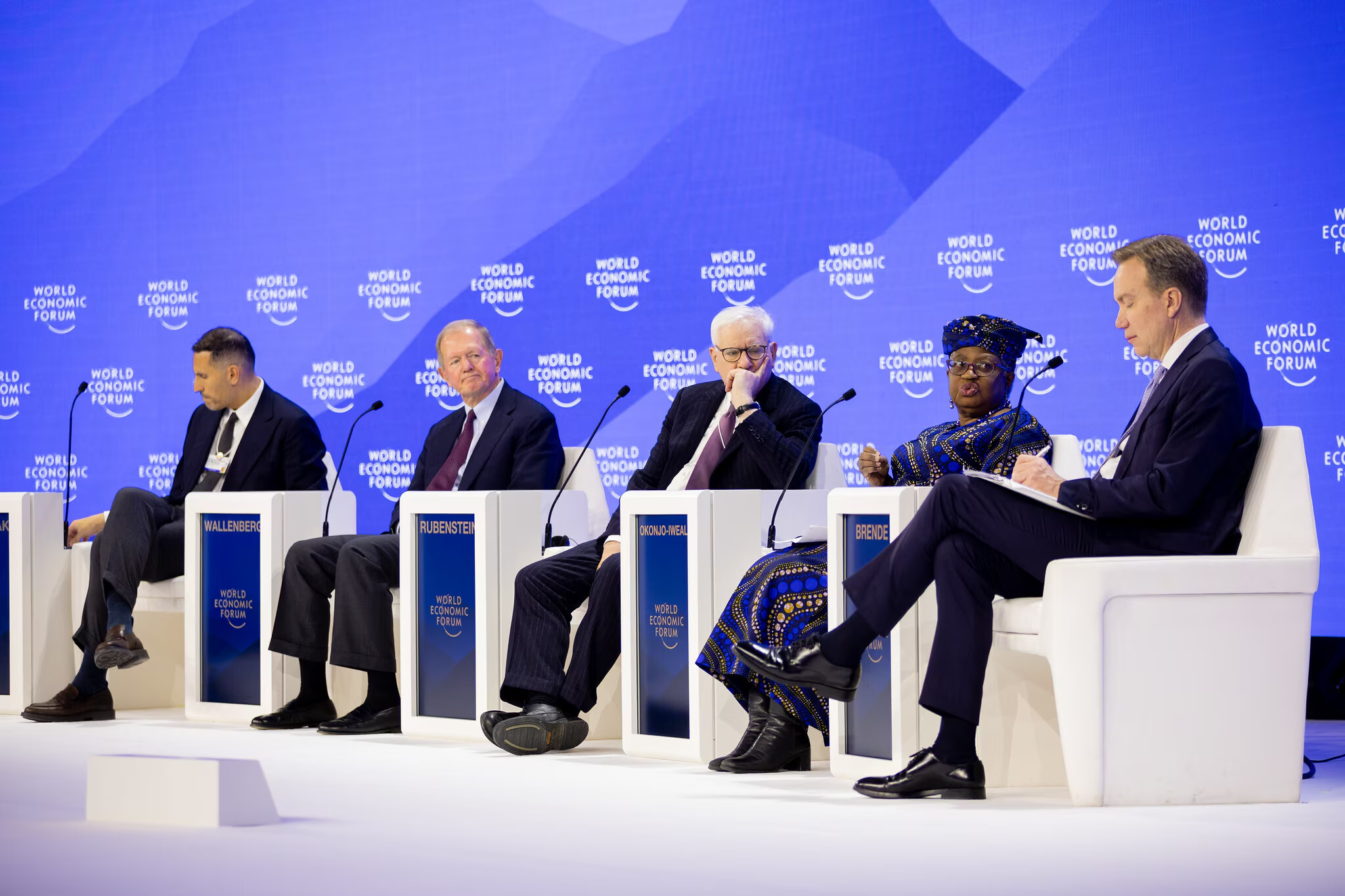
World Economic Forum 2026 Key Outcomes
The 56th annual World Economic Forum (WEF) meeting held in Davos, Switzerland brought together policymakers, business leaders, and global institution heads to address pressing economic, geopolitical, and technological challenges shaping 2026. This year’s forum was held against a backdrop of rising geopolitical tensions, rapid technological change, and persistent global economic fragility. Discussions focused on global growth prospects, geopolitical instability, climate change, and the future of jobs in an increasingly automated world. Economic Resilience and Global Cooperation One of the central themes of the Davos 2026 meeting was the global economy’s resilience following a turbulent 2025. Leaders including heads of the International Monetary Fund (IMF), the World Bank, and the World Trade Organization (WTO) emphasized that while modest economic growth persists, risks from high national debt, uneven recovery trends, and geopolitical divisions continue to challenge global cooperation. IMF Managing Director Kristalina Georgieva warned that advancements in artificial intelligence (AI) were rapidly transforming labor markets, with significant implications for employment and workforce skills. She described an approaching “AI tsunami” poised to shift millions of jobs globally unless governments and businesses prepare effectively. Geopolitical Tensions and Power Dynamics The forum also highlighted the evolving nature of global security and power balance. German Chancellor Friedrich Merz expressed concerns about a shifting world order, citing tensions between major powers and increased competition for political influence and economic advantage. Economic policy disputes—including tariffs and digital trade restrictions—have increasingly become tools of geopolitical influence. A World Economic Forum survey found “geoeconomic confrontation” ranked as a top global risk in 2026, replacing traditional armed conflict for the first time in recent years. Climate and Technological Imperatives Climate policy and the role of energy transition also dominated discussions. Although environmental concerns dropped slightly in short-term risk rankings, leaders acknowledged the long-term importance of sustainable development and decarbonization strategies. Technology leaders participating in the forum echoed the need for clear frameworks to regulate AI development, safeguard data, and harness digital innovation for inclusive growth. These cross-cutting issues remain central to geopolitical and economic strategies worldwide. Outlook for the World Economy In closing, global decision-makers reiterated the need for multilateral cooperation—particularly in trade, climate finance, technology governance, and health systems—despite rising geopolitical fractures. The Davos 2026 summit underscored a common sentiment: while economic structures have shown resilience, a fragile and interconnected world requires unprecedented collaboration to meet future challenges.