News

US Proposes Global Trade Bloc to Secure Critical Minerals Supply
Growing Demand for Critical Minerals The United States has proposed forming a global trade bloc focused on critical minerals, aiming to secure supply chains essential for modern technology. These minerals play a vital role in electric vehicles, renewable energy, and advanced manufacturing. Reducing Supply Chain Risks Currently, global production and processing of critical minerals are heavily concentrated. The proposed bloc seeks to diversify sourcing, reduce economic risk, and ensure stable access for member countries. Officials emphasize cooperation rather than confrontation. International Support Grows More than 50 countries, including major economies, have shown interest in joining discussions. Shared investments, transparent trade practices, and joint stockpiles are key elements of the proposal. Economic and Environmental Balance The initiative also promotes responsible mining practices, ensuring environmental sustainability while meeting growing industrial demand. Experts believe this could set new global standards. Long-Term Economic Benefits By strengthening supply chains, the trade bloc could lower production costs, stabilize markets, and encourage innovation across clean energy and high-tech industries. Conclusion The proposed critical minerals trade bloc signals a strategic shift toward cooperation and resilience, shaping the future of global industrial supply chains.
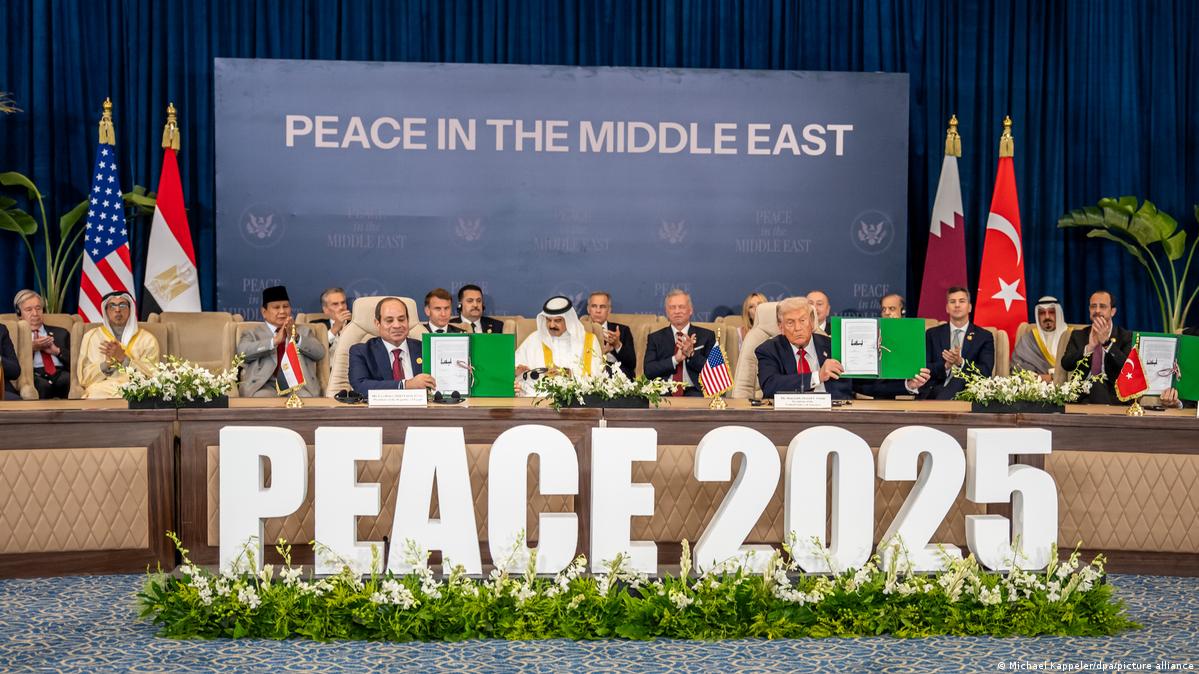
Middle East Tensions Escalate as Global Leaders Call for Ceasefire
Tensions across the Middle East have intensified in recent days, prompting urgent calls from global leaders for an immediate ceasefire to prevent further escalation and humanitarian consequences. The rapidly evolving situation has raised international alarm as violence threatens to destabilize an already fragile region with far-reaching global implications. Diplomatic efforts are underway as world leaders, international organizations, and regional powers attempt to de-escalate the conflict through dialogue and mediation. Statements from major global capitals emphasize the need to protect civilians, uphold international law, and restore stability through political solutions rather than prolonged confrontation. The ongoing Middle East tensions have disrupted daily life across affected areas, with reports of infrastructure damage, displacement of civilians, and growing humanitarian needs. Aid organizations have warned that without swift intervention, access to food, healthcare, and essential services could deteriorate further, worsening conditions for vulnerable populations. Why This Matters Globally The Middle East plays a critical role in global energy supply, trade routes, and geopolitical balance. Any prolonged instability has the potential to affect oil prices, international markets, and diplomatic relations worldwide. Analysts caution that escalation could draw in neighboring countries or global powers, increasing the risk of a broader regional conflict. International institutions continue to urge restraint, highlighting that long-term peace depends on addressing underlying political and security concerns. Negotiations remain complex, with deep-rooted disputes and competing interests shaping the situation. What Happens Next Diplomatic channels remain active as ceasefire proposals are discussed. Observers note that the coming days will be crucial in determining whether negotiations succeed or tensions continue to rise. The global community is watching closely, as the outcome will influence not only regional stability but also international security dynamics.
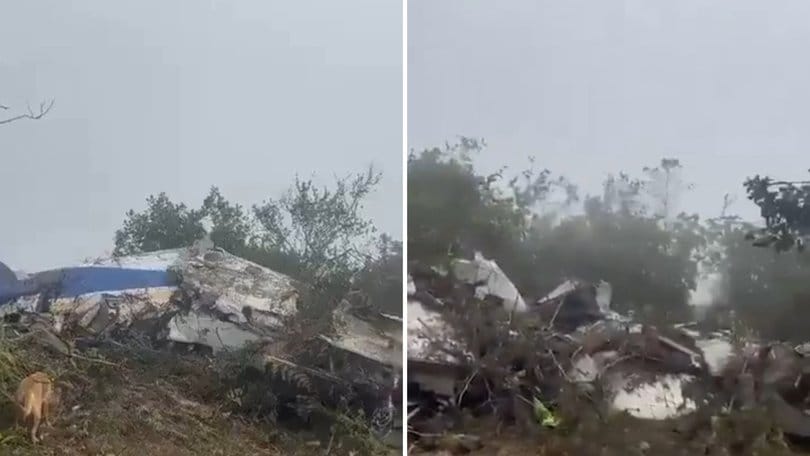
A tragic plane crash in Colombia has killed all 15 people on board
Colombia plane crash on Wednesday, in a devastating aviation accident in Norte de Santander province, Colombia, a small passenger plane carrying 15 people crashed in a rural area, killing everyone on board. Among the victims was a sitting congressman, underscoring the national impact of this tragedy. The aircraft, operating a regional flight service, was en route when the incident occurred under circumstances that remain under investigation by aviation authorities and emergency responders. Initial reports indicate that the plane lost altitude shortly after takeoff and collided with the ground in a sparsely populated rural corridor. Colombian officials, including local civil aviation authorities and emergency services, immediately secured the scene, beginning search and recovery operations. The identity of the victims has not yet been fully released, pending notifications to next of kin and formal confirmation by relevant government agencies. National and Political Repercussions The inclusion of a congressman among the victims has generated an immediate response from political leaders across Colombia. Members of the national congress issued statements condemning the tragedy and expressing condolences to families affected by the loss of life. Efforts are underway to provide support services for both grieving families and communities directly impacted by the event. Experts in aviation safety stress that such accidents often lead to intensified reviews of air travel protocols, maintenance procedures, and pilot training standards. Colombia’s aviation sector, which has seen significant growth in recent years, may face heightened scrutiny as more details about this incident emerge.