War
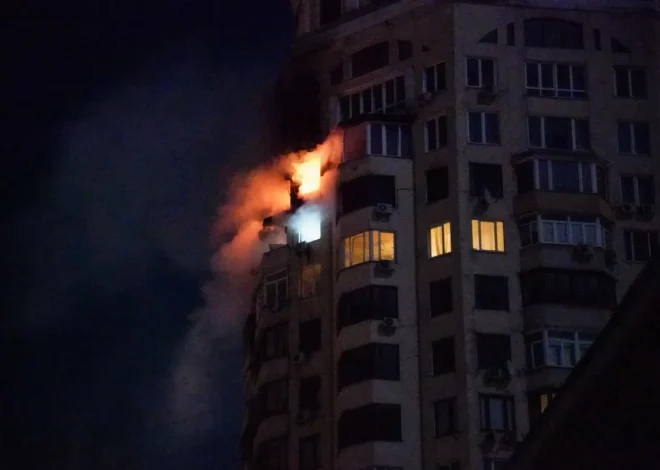
Russia Drone Attacks on Ukraine Ahead of Key Peace Talks
Widespread Attacks Target Ukraine’s Energy Infrastructure Russia has launched an extensive wave of drone and missile attacks across Ukraine, targeting critical energy infrastructure and causing widespread power outages. The attacks come at a critical moment, just days before scheduled international peace talks aimed at ending the prolonged conflict. Ukrainian officials confirmed that power facilities in multiple regions were damaged, leaving thousands of households without electricity during harsh winter conditions. Emergency repair teams were deployed immediately, but restoration efforts remain challenging due to the scale of destruction. Zelenskyy Urges Strong International Response Ukrainian President Volodymyr Zelenskyy strongly condemned the attacks, calling on international partners to increase diplomatic and economic pressure on Moscow. He stated that the escalation undermines ongoing peace efforts and places civilian lives at serious risk. Western leaders echoed concerns, emphasizing the need to protect civilian infrastructure and uphold international humanitarian law. Several countries reiterated their commitment to supporting Ukraine’s defense and reconstruction efforts. Civilian Impact and Humanitarian Concerns Russia Drone Attacks disrupted essential services, including heating, water supply, and transportation. Humanitarian organizations warned that prolonged outages could worsen living conditions for vulnerable populations, especially elderly residents and families with children. Local authorities established emergency shelters and distributed supplies to affected communities. However, aid agencies stressed that long-term stability depends on a reduction in hostilities. Escalation Raises Questions Ahead of Peace Talks The timing of the attacks has raised serious questions about Russia’s intentions ahead of peace negotiations. Analysts suggest the strikes may be intended to gain leverage, complicating diplomatic efforts and increasing pressure on Ukraine. Outlook for the Russia-Ukraine Conflict Despite renewed violence, international mediators continue to push for dialogue, stressing that peace talks remain the most viable path toward ending the conflict. The coming days will be crucial in determining whether diplomacy can overcome escalating military actions.
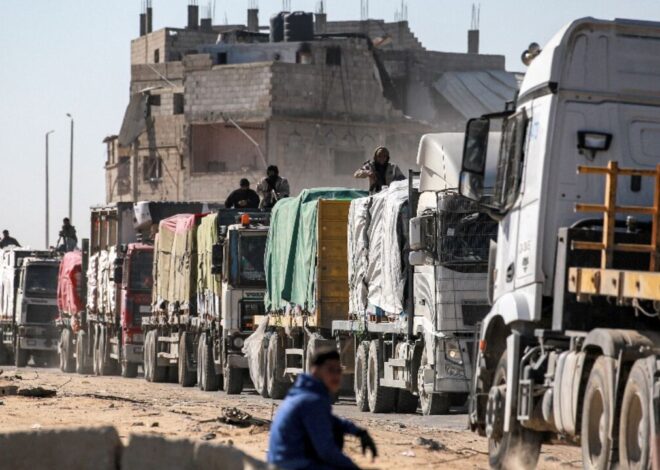
Global Ceasefire Gains Momentum as Rafah Crossing Reopens for Humanitarian Aid
Rafah Crossing Reopens After Prolonged Closure The Rafah border crossing between Gaza and Egypt has officially reopened for humanitarian purposes, marking a major development in ongoing global ceasefire efforts. The reopening allows injured civilians, medical patients, and limited aid supplies to move across the border after months of strict closure due to regional conflict. Authorities confirmed that the initial phase focuses on emergency medical cases and essential humanitarian needs. International observers have described the move as a positive confidence-building step toward reducing civilian suffering in the region. International Diplomacy Drives Ceasefire Progress The reopening follows intensive diplomatic engagement involving Egypt, the United Nations, and several global powers. These discussions aim to stabilize the region, reduce hostilities, and ensure continued humanitarian access for vulnerable populations. Global leaders have urged all sides to respect ceasefire agreements and allow uninterrupted humanitarian operations. Analysts believe sustained diplomatic pressure will be crucial in maintaining calm and preventing further escalation. Humanitarian Impact on Gaza Civilians Humanitarian organizations report that hospitals in Gaza remain under severe strain. The reopening of the Rafah crossing provides critical relief by enabling medical evacuations and the delivery of life-saving supplies. Civilians described the development as a sign of hope, though aid groups stress that broader access is still urgently needed to address long-term humanitarian challenges. Challenges Ahead for Long-Term Peace Despite the positive step, experts caution that the ceasefire remains fragile. Political tensions, security concerns, and unresolved disputes continue to threaten stability. Long-term peace will depend on sustained negotiations and mutual trust-building measures. What This Means for the Middle East The Rafah crossing reopening may pave the way for expanded humanitarian corridors and deeper diplomatic engagement. While challenges remain, the development signals renewed international commitment to peace and civilian protection.