Global Ceasefire Gains Momentum as Rafah Crossing Reopens for Humanitarian Aid
Rafah Crossing Reopens After Prolonged Closure
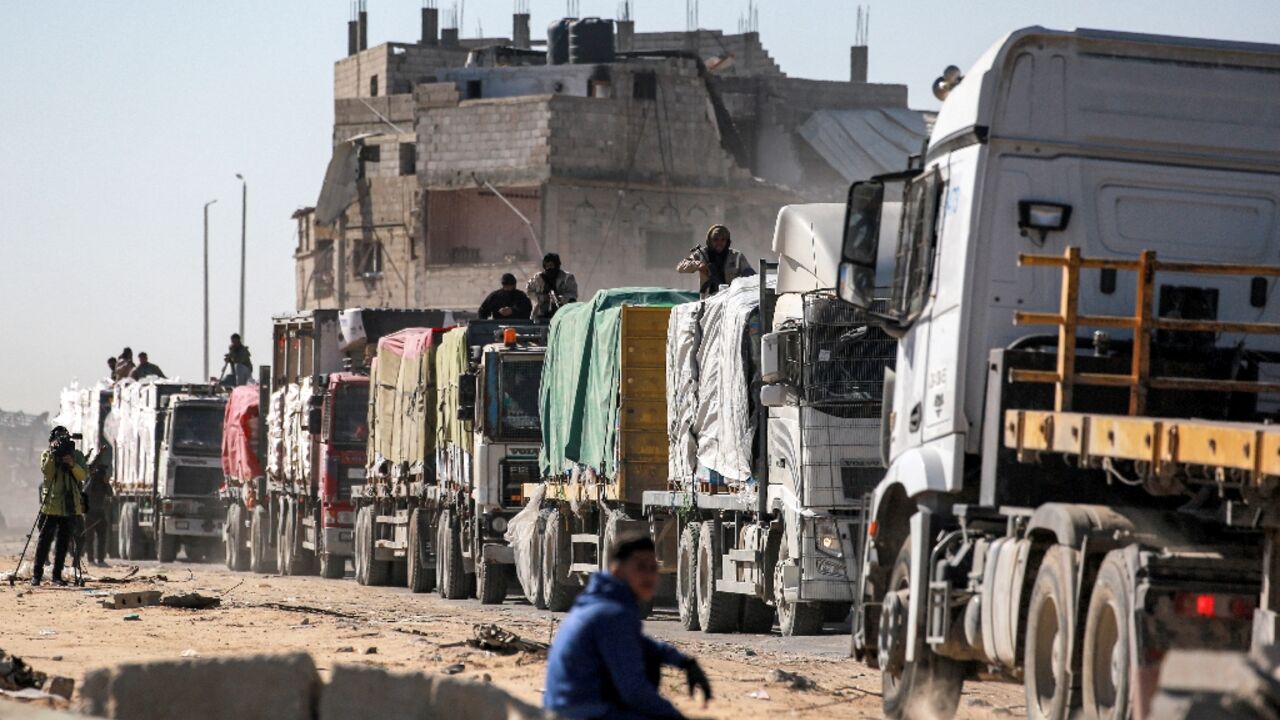
The Rafah border crossing between Gaza and Egypt has officially reopened for humanitarian purposes, marking a major development in ongoing global ceasefire efforts. The reopening allows injured civilians, medical patients, and limited aid supplies to move across the border after months of strict closure due to regional conflict.
Authorities confirmed that the initial phase focuses on emergency medical cases and essential humanitarian needs. International observers have described the move as a positive confidence-building step toward reducing civilian suffering in the region.
International Diplomacy Drives Ceasefire Progress
The reopening follows intensive diplomatic engagement involving Egypt, the United Nations, and several global powers. These discussions aim to stabilize the region, reduce hostilities, and ensure continued humanitarian access for vulnerable populations.
Global leaders have urged all sides to respect ceasefire agreements and allow uninterrupted humanitarian operations. Analysts believe sustained diplomatic pressure will be crucial in maintaining calm and preventing further escalation.
Humanitarian Impact on Gaza Civilians
Humanitarian organizations report that hospitals in Gaza remain under severe strain. The reopening of the Rafah crossing provides critical relief by enabling medical evacuations and the delivery of life-saving supplies.
Civilians described the development as a sign of hope, though aid groups stress that broader access is still urgently needed to address long-term humanitarian challenges.
Challenges Ahead for Long-Term Peace
Despite the positive step, experts caution that the ceasefire remains fragile. Political tensions, security concerns, and unresolved disputes continue to threaten stability. Long-term peace will depend on sustained negotiations and mutual trust-building measures.
What This Means for the Middle East
The Rafah crossing reopening may pave the way for expanded humanitarian corridors and deeper diplomatic engagement. While challenges remain, the development signals renewed international commitment to peace and civilian protection.
Share this content: