US Leaves WHO: Global Health Impact
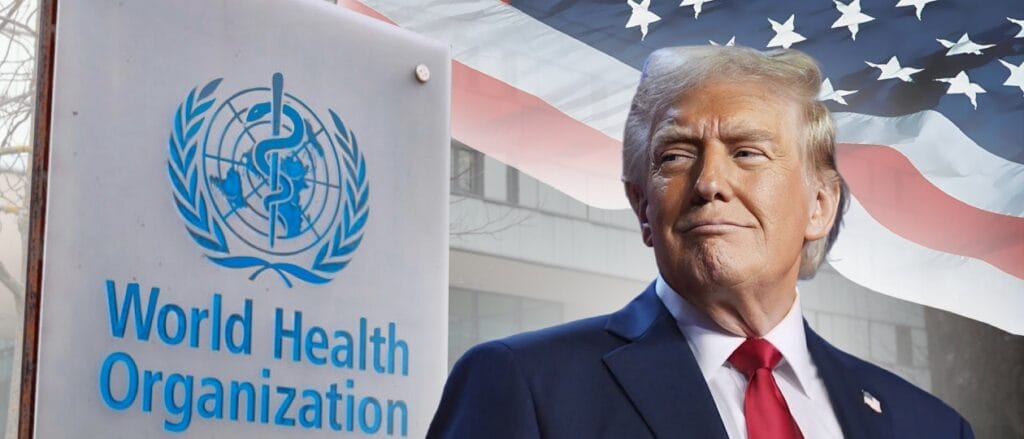
In a major shift in global health policy, the United States officially completed its withdrawal from the World Health Organization (WHO) in January 2026. Ending nearly 80 years of membership that had shaped international health cooperation.
Background and Rationale
US Leaves WHOt was initiated by the U.S. administration under President Donald Trump. Citing dissatisfaction with the organization’s handling of past pandemics and calls for reforms in global health governance. While critics warn that this move undermines vital cooperation mechanisms, proponents argue it rebalances national priorities.
Global Response and Implications
The WHO has traditionally coordinated global responses to infectious diseases, vaccine distribution, and health emergencies. The U.S. departure raises concerns among global health experts. Who argue that reduced collaboration and funding could weaken the world’s ability to detect and respond to emerging outbreaks.
Without direct U.S. involvement in WHO governance structures, many health officials worry that access to early warning systems—especially for diseases such as influenza, Ebola, and mpox—may be compromised. Furthermore, reductions in technical support and financial contributions are likely to create gaps in health initiatives aimed at vulnerable regions.
Share this content:
